Elite Training Programs Offered by Basketball Club Teams in San Diego
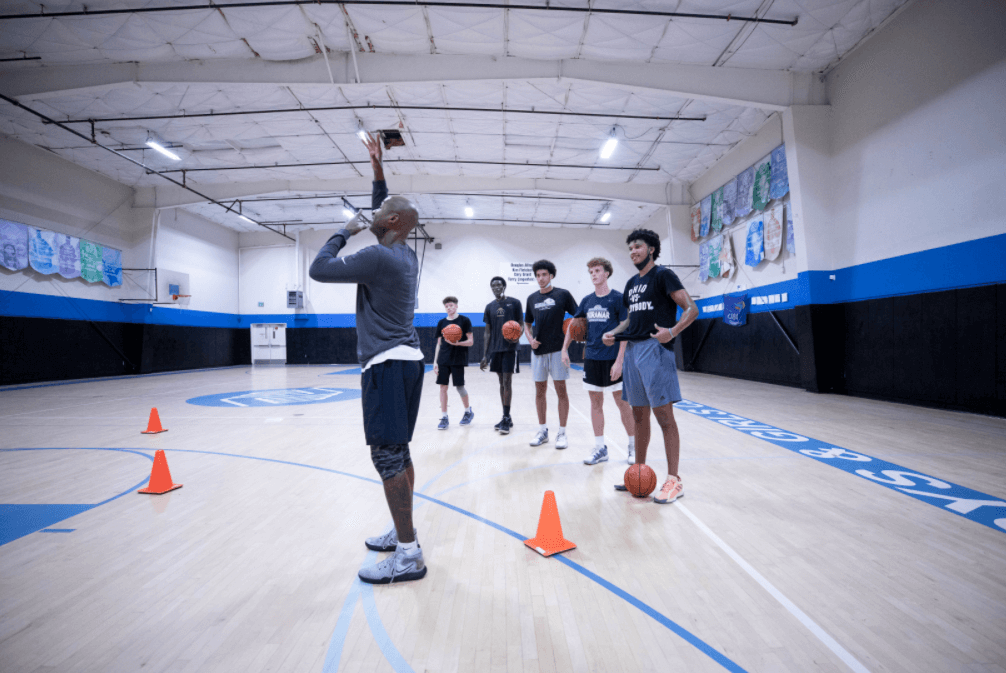
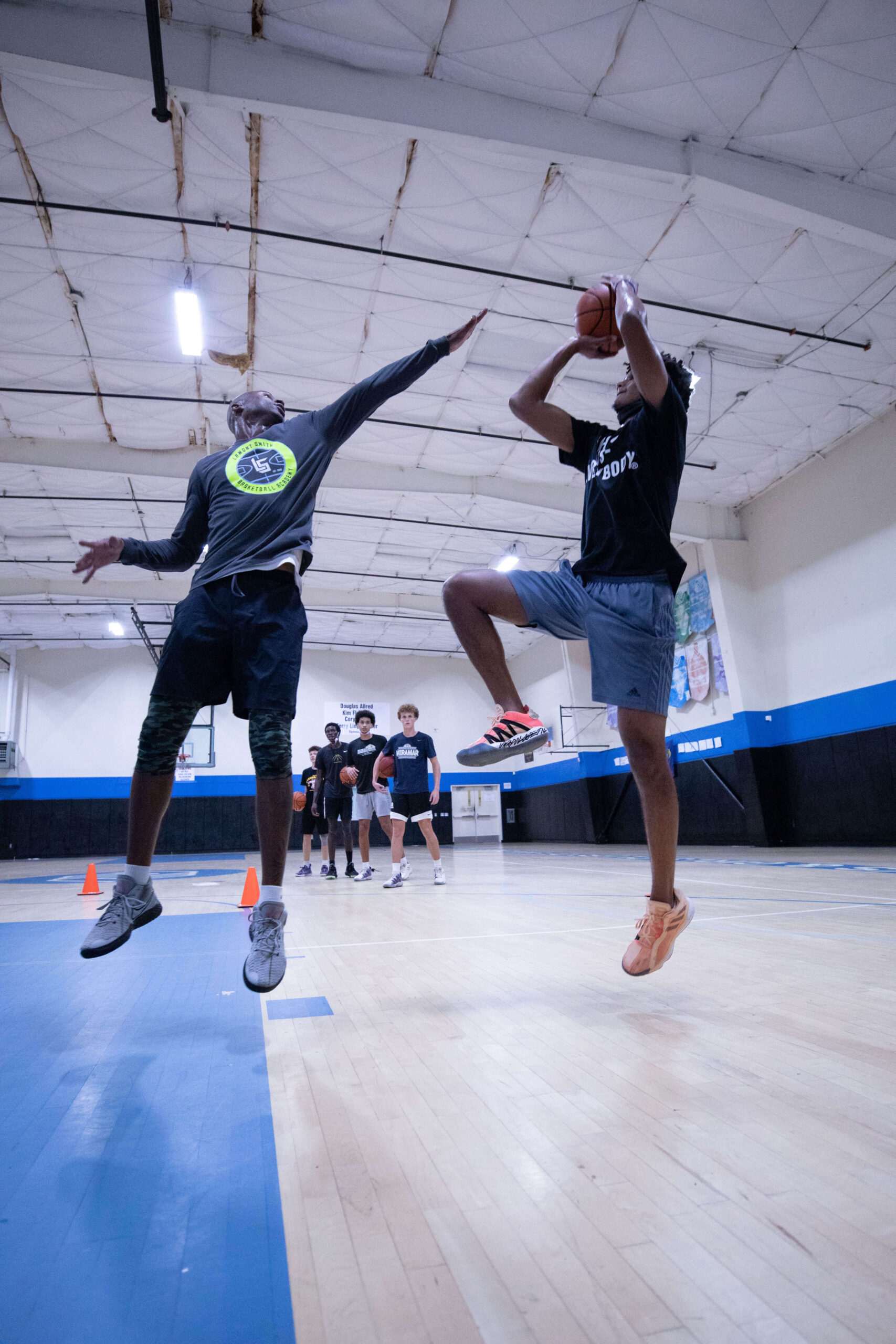
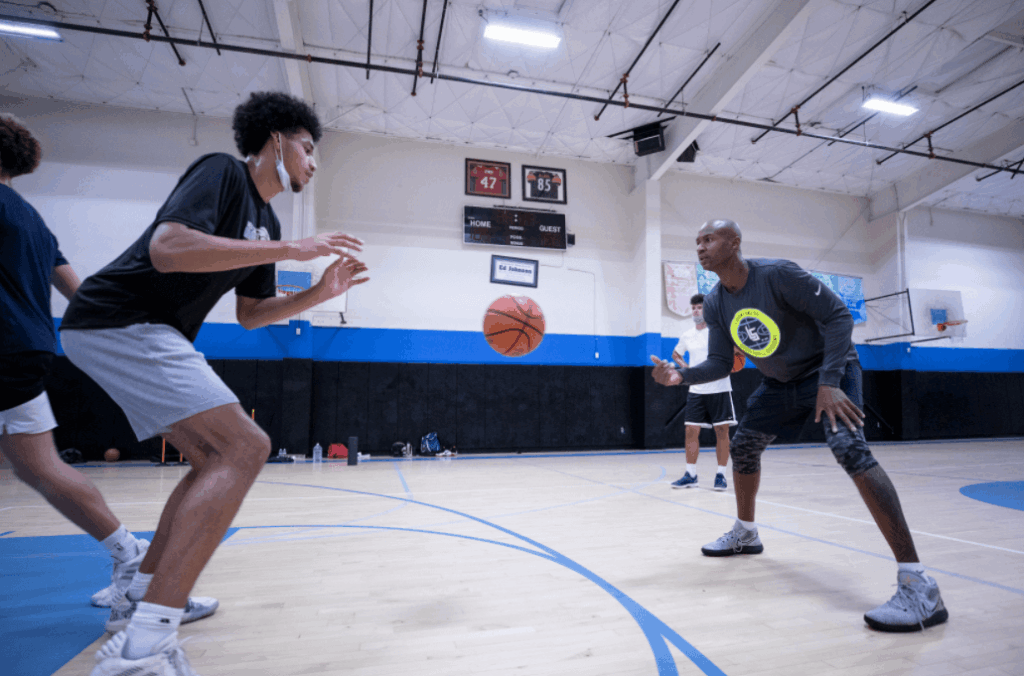
San Diego has never lacked for basketball talent. What it has lacked, at times, is enough room for all the serious players trying to separate themselves from the pack. Walk into a quality gym on a weekday evening and you can feel the compression immediately. One court has fourth graders learning how to pivot without traveling. On another, high school wings are working on corner threes after a full-speed transition drill. Off to the side, a strength coach is correcting landing mechanics for a group of middle school guards who are growing faster than their coordination can keep up.
That crowded, competitive environment is exactly why elite training has become such a defining feature of strong club programs. Families looking at Basketball Club Teams San Diego options are not just shopping for jerseys, tournaments, and travel schedules. They are looking for a complete development setting, one that combines skill work, team concepts, physical preparation, and honest feedback. The best clubs understand that winning games in April means very little if players are no better in August than they were in January.
Elite training, when it is done well, is not simply harder practice. It is more specific practice. It is a plan that matches age, position, physical maturity, and long-term goals. It asks a third-grade post player to build footwork and balance, not to mimic a college center. It asks a varsity-level point guard to read low-man help, reject a ball screen, and make a one-handed skip pass with timing, because that is the level where the game starts punishing half-developed habits.
What separates an elite club training program
A lot of programs advertise "advanced development." The phrase shows up so often that it has lost some meaning. In practical terms, elite training inside basketball club teams comes down to three things: structure, progression, and accountability.
Structure means sessions are built with purpose. A workout should not look like a random sequence of cones, fancy dribbling, and exhausted players lying on the floor at the end. There should be a reason the session begins with movement prep, shifts into ball-handling under pressure, then layers in decision-making before live play. Good coaches know where they are taking the group and why.
Progression matters just as much. Younger players need repetition, but not mindless repetition. A capable club staff in San Diego will often move players from unguarded technical reps to guided defense, then to constrained live action. For example, a shooting segment might start with footwork and hand placement, move into catch-and-shoots from specific spots, then finish with live closeouts where the player must decide whether to shoot, rip through, or make the extra pass. The skill gets tested under stress, which is where real development happens.
Accountability is the piece many families underestimate. Elite training involves correction, standards, and measurable expectations. Players are expected to sprint into lines, communicate on defense, hold stance, finish through contact, and absorb coaching without withdrawing. That sounds simple until you watch a two-hour practice where every possession is charted, every defensive breakdown is addressed, and no one coasts through drills because "it’s just practice."
Skill development goes far beyond ball-handling
Parents new to club basketball often equate elite training with dribbling packages and shooting volume. Those skills matter, of course, but top club teams in San Diego usually build a far broader curriculum.
The first layer is foundational efficiency. Can a player stop under control in two steps? Can they pivot both directions without rising up? Can they pass on time with either hand? Can they catch low and high without bringing the ball into a crowded space? These details look ordinary until a game speeds up. Then they become the difference between a clean advantage and a turnover.
The second layer is game-linked skill. This is where stronger clubs distinguish themselves. Instead of teaching isolated moves for social media appeal, they train actions that show up repeatedly in competitive games. A guard learns how to attack an angled hedge, keep the defender on their hip, and finish before the rotating big arrives. A wing works on relocation after driving and kicking. A forward learns short-roll passing, duck-ins, and inside-hand finishing. The training mirrors the demands of real possessions.
The third layer is decision-making. This is the hardest thing to teach, and the easiest thing to neglect. A player can look polished in an empty gym and still freeze against length, pressure, and help defense. Elite programs create drills where players must read second defenders, identify mismatches, and make fast choices. That often means fewer flashy reps and more constrained small-sided games. It is less glamorous, and vastly more useful.
I have seen this difference clearly with players who move from recreation or school-only basketball into a serious club environment. The early improvement is not always that they suddenly shoot better. Often, they simply stop wasting movement. They attack tighter angles, use fewer dribbles, and recognize the next pass earlier. Efficiency makes the game look slower.
Position-specific work is becoming standard
Years ago, a lot of youth basketball training was one-size-fits-all. Everyone ran the same drills, no matter their role, body type, or future fit. That is changing. Better basketball club teams in San Diego have started carving out position-specific sessions because the game demands it.
Point guards need command. Their elite sessions often emphasize change of pace, screen reads, weak-hand passing, clock awareness, and on-ball defensive pressure. They are trained to initiate offense, organize spacing, and survive traps without picking up the ball. A skilled club coach will push them to communicate constantly, because leadership at the point guard position is not optional.
Wings need versatility. Their training usually blends shooting off the catch, one- and two-dribble creation, closeout reads, transition finishing, and defending multiple spots. A wing who can only score one way becomes easy to scout. Club coaches know this, especially at the higher middle school and high school levels where length starts to erase predictable offense.
Posts and hybrid forwards need a more modern package than many adults realize. Traditional back-to-the-basket work still has value, particularly footwork, sealing, rebounding, and contact finishing. But strong club programs now add face-up drives, high-post decision-making, short-roll passing, and defensive mobility. If a frontcourt player cannot guard in space or make a quick read after catching near the elbow, their options narrow quickly.
The best staffs also know when not to lock a player into a role too early. In San Diego, where many athletes hit growth spurts at different times, a sixth-grade post may become a ninth-grade wing. Clubs that teach broad basketball skills early tend to produce more adaptable players later.
Strength, speed, and durability are no longer optional
One of the clearest changes in elite youth basketball over the last decade is the seriousness around physical preparation. Club teams used to focus almost entirely on practice and games. Now, stronger organizations weave performance training into the year because skill development alone cannot carry an athlete through a heavy schedule.
This does not mean loading young players with maximal barbell work. Good youth performance programs start with movement quality. Can the athlete squat with control? Can they hinge properly? Can they decelerate without knees collapsing inward? Can they jump and land quietly? If those basics are shaky, adding intensity just builds dysfunction.
Once movement is sound, club-affiliated training may progress into acceleration mechanics, lateral quickness, core stability, resisted movement, and age-appropriate strength development. High school players often benefit from structured work around lower-body force production, upper-body strength for absorbing contact, and posterior chain development for sprinting and jumping. Middle school athletes usually need consistency, coordination, and body control more than raw load.
The durability piece matters as much as the performance piece. Club basketball can create repetitive stress, especially for players stacking school ball, travel tournaments, and private workouts. Smart programs monitor fatigue, limit meaningless volume, and build mobility and recovery habits into the week. The phrase "train harder" sounds impressive until a player’s patellar tendon says otherwise.
A sensible elite program often emphasizes the following physical priorities:
- movement quality before load
- landing and deceleration mechanics
- sprint speed and lateral change of direction
- core and hip stability for injury prevention
- recovery habits, especially sleep, hydration, and tissue care
That list may not look flashy, but it reflects what actually keeps players improving across a full season.
The best programs teach how to play, not just how to perform drills
This is where many families make a costly mistake. They judge a club by how intense the workout looks, not by how well the training transfers to games. Sweat is easy to produce. Basketball IQ is harder.
Elite club teams spend time on spacing, timing, and defensive principles because those areas often decide who earns minutes. A player may have a sharp crossover and still sit if they cannot tag the roller, stunt and recover, or rotate to the weak-side block. Coaches who train at a serious level know that advanced basketball is often about positioning one pass earlier than everyone else.
In stronger San Diego clubs, game understanding tends to show up in the details. Players are taught where to stand when a teammate drives baseline. They learn how to create a passing window by lifting from the corner at the right time. They learn when to top-lock a shooter, when to ice a side ball screen, and when to peel-switch out of trouble. These are not concepts reserved for college players anymore. They are part of the language of high-level youth basketball.
One of the most useful training formats for this is small-sided play. Three-on-three and four-on-four, with rules that emphasize a certain read or action, can reveal habits quickly. If a guard overdribbles, the possession bogs down immediately. If a help defender is late, the offense gets a clean finish. With fewer players on the floor, each mistake is exposed and each good decision matters more.
Tournament play is only one piece of the model
A common misconception is that elite club programs are mainly about travel and exposure. Competition matters, certainly. Players need to be tested against strong opponents, and tournaments can reveal what practice hides. Still, the strongest clubs do not build their identity around the weekend schedule alone.
The weekly training structure matters more than many families realize. If a team plays four games in a weekend but only trains lightly during the week, development can plateau. On the other hand, a program that balances two or three purposeful team practices, supplemental skill sessions, film study, and carefully selected competition often produces better long-term growth.
This is especially true for younger age groups. Fifth, sixth, and seventh graders benefit more from quality practice than from endless travel. They need touches, corrections, and repetition under guidance. A packed tournament calendar can feel ambitious, but it often steals time from actual teaching.
For high school players, the equation shifts somewhat. Competitive reps and recruiting visibility can matter more, particularly for athletes pursuing college opportunities. Even then, strong clubs are selective. They understand that ten mediocre events do less for a player than a smaller number of well-run, high-level tournaments combined with sharp weekly training.
Film study is quietly becoming a major separator
Film used to be something only varsity and college players expected. Now, it is becoming part of elite club development, and for good reason. Video slows the game down in a way verbal instruction never can.
A player who insists they are getting low defensively often changes their mind after watching two possessions. A wing who thinks they are open on every catch may finally see that their feet are misaligned, or that they are drifting into a tougher shot. A post player can watch the timing of their seals and realize they are arriving a beat late.
The strongest clubs do not use film to embarrass players. They use it to build awareness. Sometimes that means team sessions where the group reviews transition defense and spacing. Sometimes it is individual clips on finishing choices, closeout discipline, or rebounding position. Even brief video review can accelerate growth because it converts coaching from abstract advice into visible evidence.
This is one area where Basketball Club Teams San Diego families should ask direct questions. Does the club review game film at all? Do players receive individual teaching points from that review? https://blogfreely.net/mantiaknjx/basketball-club-teams-san-diego-and-the-journey-to-higher-level-play Is film used to reinforce the team’s system, or is it just a highlight package after tournaments? There is a substantial difference.
Training culture often matters more than branding
San Diego has enough basketball options that families can get distracted by marketing. Uniforms look polished. Social media clips are sharp. Tournament photos create the impression of momentum. None of that tells you much about daily standards.
Culture does.
You can usually feel it within twenty minutes of walking into a gym. Are players attentive when a coach speaks? Do older athletes model habits younger ones can follow? Are mistakes corrected specifically, or does the gym run on vague yelling? Are coaches teaching every rep, or spending half the practice chatting while players drift through lines?
A high-level training culture is demanding without being chaotic. Players are expected to compete, but also to think. Coaches praise effort, but they do not confuse effort with execution. If a player misses an assignment three times, the issue gets addressed clearly. If an athlete is capable of more, the standard rises.
That culture also shapes confidence. Real confidence does not come from constant praise. It comes from competence built through hard reps, corrected mistakes, and repeated proof that the player can handle tough situations. The clubs that understand this tend to produce athletes who look calmer in close games, because they have lived through pressure in practice.
What families should look for before committing
Choosing among basketball club teams is rarely simple. Cost, location, schedule, coaching fit, and competitive level all matter. Families often ask which questions reveal the most about a program. A few usually tell you quite a bit:
- How many practice hours are devoted to skill development versus game prep?
- Is there age-appropriate strength and movement training built into the program?
- How are players evaluated and given feedback over the season?
- What is the plan for athletes who are strong now but still developing physically or tactically?
- How selective is the tournament schedule, and how does it support development?
The answers matter less than the specificity behind them. Good coaches can explain their philosophy in plain language. They can tell you why they train certain concepts at certain ages. They can also acknowledge trade-offs. A thoughtful director might say that younger teams travel less because training time is more valuable, or that some players need to play up for challenge while others need confidence and reps at their current level. Nuance is a good sign.
The San Diego factor
San Diego offers a unique mix of advantages for aspiring players. The region has strong athletic crossover from other sports, access to year-round training weather, and a growing appetite for serious basketball development. At the same time, geography and traffic create real logistical challenges. A club may be excellent, but if a family cannot realistically make weekday practices across the county, the fit breaks down.
That is why local ecosystem matters. The right program is not just one with good coaches. It is one whose training model, location, and expectations match the athlete’s stage of development. A younger player might thrive in a club with strong teaching and moderate competition. An advanced high school prospect may need deeper rosters, more intense practice, and tougher exposure events. Neither path is automatically better. The question is what serves the player now, while also preparing them for what comes next.
What I have seen repeatedly is that players improve fastest when the environment asks a little more of them than they are comfortable giving. Not so much that they drown, but enough that they must adapt. Elite training programs are valuable because they create that stretch on purpose. They sharpen technique, yes, but they also train discipline, resilience, and basketball judgment.
For families evaluating Basketball Club Teams San Diego, that is the central point to keep in view. The best program is not the one that promises the most games, the loudest branding, or the quickest spotlight. It is the one that can show a credible path from where a player is today to the version of that player they are capable of becoming. In youth basketball, that kind of development is the real elite offering.
Lamont Smith Basketball Academy
888 Clairemont Mesa Blvd Suite T-2, San Diego, CA 92123
(619) 639-8778
FAQ About Basketball Club Teams San Diego
How can a player join an LSBA club team?
Players are evaluated during practices so the coaching staff can recommend an appropriate team and development level. Families should contact the academy to confirm current openings and evaluation details.
Are club teams available for newer basketball players?
Yes. LSBA describes multiple levels, including a developmental option for newer players as well as more competitive teams for athletes with prior club experience.
What do LSBA club team practices emphasize?
Practices emphasize basketball fundamentals, team defense, structure, communication, and player development. The specific focus may vary according to the team and experience level.
Do all LSBA teams travel?
Travel expectations vary by level. Some teams focus on local competition, while advanced teams may participate in tournaments elsewhere in Southern California or beyond. Families should confirm the current schedule before enrolling.