A Complete Guide to Basketball Club Teams San Diego Families Trust
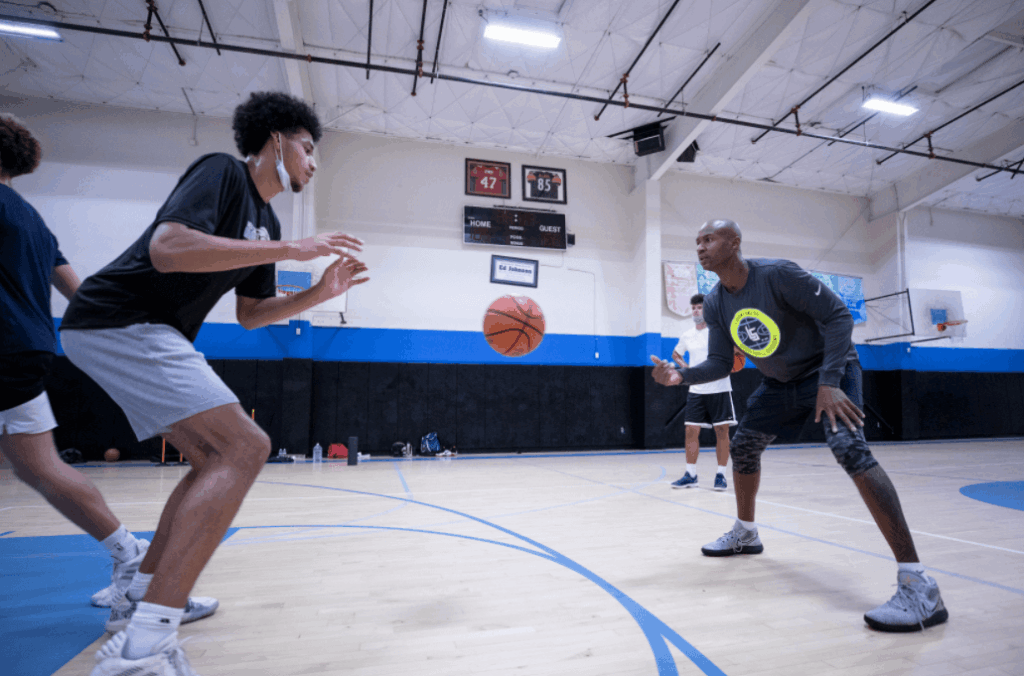
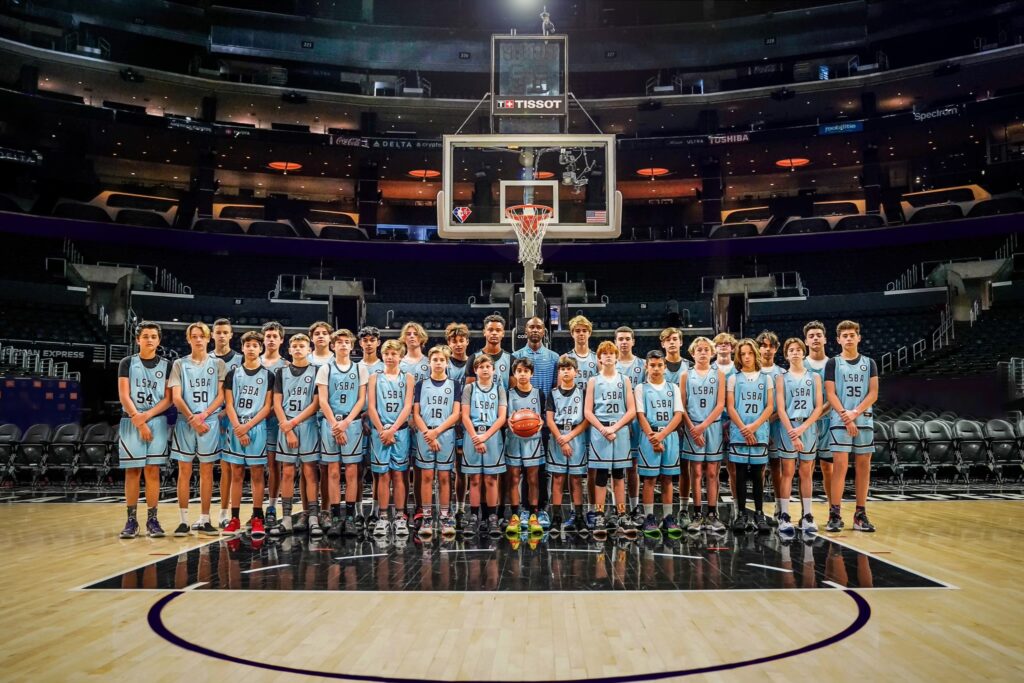
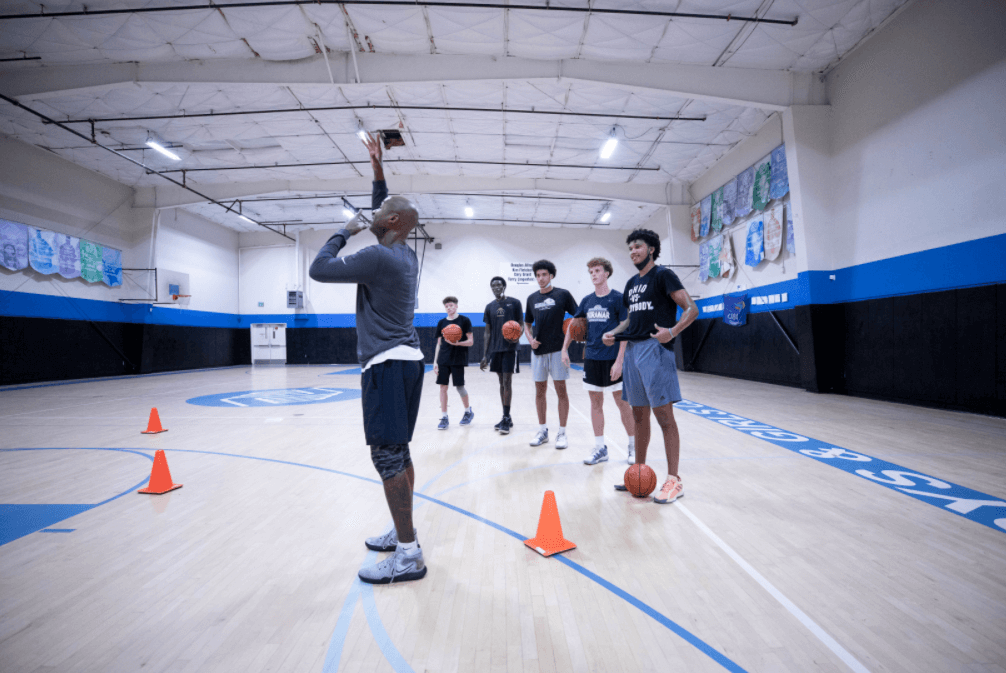
San Diego has never been a casual basketball town. The weather may make year-round outdoor play easy, but the serious work still happens in packed gyms, on polished hardwood, and in early morning skill sessions when most of the city is still quiet. For families trying to sort through Basketball Club Teams San Diego options, that matters. The local scene is broad, competitive, and sometimes confusing. Some programs are developmental and community-minded. Others are built to chase high-level exposure, tournament results, and college recruiting opportunities. A few do both well. Plenty do not.
Parents usually begin with a simple question: which club team is right for my child? That question sounds straightforward, but it rarely is. Talent level matters, of course. So do coaching quality, travel demands, total cost, team culture, communication, training philosophy, and whether the player is actually going to improve instead of simply collecting games on a schedule. I have seen families choose a team because the uniforms looked sharp or because the gym was close to home, only to realize a season later that their child was getting ten minutes a weekend and no feedback on how to get better.
Club basketball can be a tremendous experience when the fit is right. It can also become expensive, stressful, and oddly unproductive when the fit is wrong. The families that tend to feel good about their decision months later are not always the ones who chose the flashiest brand. They are usually the ones who understood what they were buying into.
What club basketball actually means in San Diego
Club basketball sits in a different lane from recreational leagues, school teams, and private training. That distinction gets blurred all the time, especially with younger players. In practical terms, a club team is usually a travel-based competitive program that runs tryouts, selects rosters, practices regularly, and plays tournament schedules against teams from across the county, Southern California, and sometimes out of state.
In San Diego, the range is wide. Some clubs focus on third through eighth grade development and place a premium on fundamentals, confidence, and learning how to compete. Others become more serious once players enter middle school and high school, where the goals may shift toward varsity preparation, regional ranking, and exposure in front of scouts. The strongest organizations often build a pipeline from youth development through high school showcase play.
That difference matters because a fourth grader does not need the same environment as an eleventh grader. Younger players need reps, patience, and teaching. High school players, especially those with college aspirations, need role clarity, advanced skill work, strength and conditioning support, and game environments that challenge them. A good club understands that age-specific balance.
The best Basketball Club Teams San Diego families rely on tend to be clear about their identity. They can explain whether they are building complete players, chasing elite competition, offering broad access, or serving a narrow advanced group. Trouble starts when a program markets itself as everything to everyone.
Why families turn to club teams in the first place
Most parents do not sign up for club basketball because they want more weekends in folding chairs. They do it because they sense their child needs something school ball or rec ball is not providing. Sometimes that means better competition. Sometimes it means more structure. Sometimes it is simply the chance to be around teammates who care about the game.
There are a few common reasons club basketball becomes attractive. One is the practice-to-game ratio. In recreational settings, players often get limited, uneven instruction, and the pace of learning can be slow. Another is consistency. Club players usually spend more time with coaches who know their games and can track progress over months rather than over a short school season. Then there is competition. A player who dominates lower-level rec leagues may not really know what works and what breaks down until they face stronger athletes who rotate on defense, pressure the ball, and punish lazy decisions.
I remember watching a seventh grader in San Diego who averaged close to 20 points in a local rec program. He looked unstoppable there. On the club circuit, he suddenly struggled to bring the ball up against length and pressure. His parents were initially discouraged, but six months later he had a tighter handle, better posture, and a much more realistic understanding of the game. Club basketball exposed weaknesses, but it also gave him a path to fix them. That is often the real value.
The San Diego basketball landscape is broad, not uniform
One mistake families make is talking about club basketball as though every program is essentially the same. It is not. San Diego County includes programs that draw heavily from North County, central San Diego, East County, South Bay, and neighboring areas. Geography affects everything from practice logistics to team identity.
A family in Carlsbad or Oceanside might prefer a North County club with convenient practice access and a familiar local network. A family in Chula Vista may find a South Bay program that better understands school calendars, local gym locations, and the players in that area. Some clubs pull talent from all over the county and become regional destinations, which can be great for competition but difficult for weeknight commuting.
The local basketball culture also varies by age group. At younger levels, many teams are still sorting out who enjoys the game versus who is ready for serious training. By eighth grade, gaps in skill, size, and commitment become more obvious. By high school, the top clubs often become more selective because roster spots, playing time, and tournament placement matter more.
That means a club that feels ideal in fourth grade may not be the right fit in ninth grade. Families should expect to re-evaluate from time to time. Loyalty is admirable, but player development should stay at the center.
What separates a good club from a glossy one
Every club can post action photos, social media clips, and highlight videos. Those things tell you almost nothing on their own. The stronger indicator is what happens in practice and how coaches behave when the game gets difficult.
A good club teaches. That sounds basic, but it is surprisingly rare. Some teams spend most of practice running through sets or scrimmaging without correcting details. Real teaching includes footwork, spacing, body position, closeouts, timing, screening angles, finishing off two feet, and making reads under pressure. Players should leave practice having learned something specific, not just having sweated.
Coaching communication matters just as much. Parents should notice whether coaches explain roles honestly. It is fine for one player to be a primary scorer and another to be a defensive specialist, but players deserve clarity. Vague promises usually lead to frustration. When families say they trust a club, they often mean the coaches told the truth from the beginning.
Another separator is how programs handle roster size. If a team carries ten players and develops them all, that can work. If a team carries eleven or twelve players just to collect fees and then barely plays several kids in tournament games, the experience can sour quickly. Not every child needs equal minutes in competitive basketball, but every child should have a reason to believe the environment is helping them improve.
The best organizations also have some internal consistency. Their younger teams are not running one philosophy while older teams operate in a completely different way with no shared standard. You can usually sense when a program has thought deeply about its player pathway.
The questions worth asking before you commit
Most families ask https://garrettpozx814.cavandoragh.org/how-to-compare-basketball-club-teams-in-san-diego-effectively about cost and schedule first. Those are important, but they are not enough. Before joining any Basketball Club Teams San Diego program, it helps to ask a few direct questions and listen carefully to how the answers are delivered.
- How many players will be on the roster, and how is playing time typically handled?
- Who will actually coach the team at practices and tournaments?
- How many tournaments are expected, and how much travel is realistic?
- What player development happens outside game weekends?
- If a player struggles, how does the staff address it?
Those questions do two things. They surface practical details, and they reveal whether the program is organized. A strong director answers clearly. A weak one gets defensive or speaks only in slogans.
If you can, watch a practice before making a decision. A tournament game shows intensity, but a practice shows values. Watch whether coaches teach details or just blow whistles. Watch whether players are standing in long lines. Watch whether corrections are specific. Watch whether the gym feels demanding, respectful, and purposeful. Families often learn more in 20 minutes of practice observation than in an hour-long parent meeting.
Age, stage, and the right time to join
Parents sometimes worry that if their child does not join club basketball early, they will fall behind. That fear drives a lot of rushed decisions. The truth is more nuanced. An eager, coordinated third or fourth grader can benefit from a good developmental club setting, especially if practices are playful, technical, and age-appropriate. But there is nothing magical about joining early if the coaching is weak or the environment is too intense.
By middle school, club basketball becomes more useful for many players because athletic differences start widening and competition becomes more structured. Players who want to make strong school teams often need regular reps against serious peers by this point. High school is where the stakes become clearer. A player aiming for varsity impact, district recognition, or possible recruiting attention generally needs a strong spring and summer platform.
Still, timing depends on the child. Some players are physically late bloomers but highly skilled. Others are athletic early and need technical work before advanced competition truly helps them. I have seen sixth graders thrive on competitive teams because they loved being stretched. I have also seen talented younger players burn out because every season felt like a job.
The healthiest approach is to ask whether the player still enjoys the daily work. If the answer is yes, the environment is probably sustainable. If every conversation revolves around pressure, rankings, or fear of missing out, the family may need to recalibrate.
Costs, hidden costs, and what value really looks like
Club basketball is not cheap. Fees can vary widely based on age group, tournament schedule, coaching staff, gym access, and whether uniforms, travel, and training sessions are included. Some local-only seasons are comparatively manageable. Others, especially for older elite teams that travel more often, can become a major household expense.
The headline fee is only part of the picture. Families should also account for gas, hotel stays if events run multiple days, meals on the road, spectator admission, extra training, shoes, and missed time for siblings. Even in a local basketball market like San Diego, weekends add up quickly. A season that looks reasonable on paper can feel very different by the end.
That does not mean expensive teams are a bad choice. It means value should be measured by development, honesty, organization, and fit, not by price alone. A lower-cost team that offers strong teaching and real opportunities to play can be a better investment than a premium team where a child sits, travels, and stagnates.
Families should also ask whether the club offers any flexibility. Some organizations are transparent about payment plans or possible aid. Others are rigid. Neither approach is automatically right or wrong, but it is best to know before emotions get attached to a roster spot.
Playing time, development, and the hardest truth for parents
Few issues create more tension in club basketball than playing time. Parents often believe development requires substantial game minutes. Coaches often believe minutes must be earned in competitive settings. Both sides have a point.
A player who never gets on the floor will struggle to develop confidence, decision-making, and composure. At the same time, a team in a high-level bracket cannot always distribute minutes evenly without compromising competitiveness. The key is alignment. If a program markets itself as developmental, game reps should reflect that. If it markets itself as elite and selective, reduced minutes may be part of the deal, but the family should know that in advance.
Parents should be especially cautious when their child is the ninth or tenth player on a team that travels heavily. That role can still be worthwhile if practices are excellent and the player is improving. It is far less worthwhile if the athlete is mostly serving as practice depth. Honest evaluation is hard here. Emotion can blur judgment.
One useful question is whether the player is better now than three months ago. Has the handle tightened? Is the weak-hand finish more comfortable? Are defensive rotations quicker? Is the player more vocal? If the answer is yes, the environment may still be working even if the box score is not. If the answer is no, it may be time to reconsider.
The signs of a healthy team culture
A strong culture is easy to talk about and harder to build. In youth basketball, healthy culture usually shows up in ordinary moments. Teammates celebrate each other without eye-rolling. Coaches correct mistakes without humiliation. Parents do not treat every possession like a referendum on their child. Players know what effort looks like in practice.
Here are a few signs a team culture is probably healthy:
- Players arrive on time and seem comfortable with one another
- Coaches give correction with purpose, not theatrics
- Bench players stay engaged instead of checking out
- Parents can discuss roles and expectations without gossip taking over
- Losing leads to teaching, not panic
Culture matters because basketball seasons are long. Talent can carry a team through a weekend. Culture is what gets them through a rough month, a losing stretch, or a bad tournament without the whole thing fracturing.
Recruiting talk, reality, and staying grounded
For high school families, recruiting enters the conversation quickly, often earlier than it should. Club basketball can absolutely help serious players gain exposure, especially during spring and summer periods when coaches evaluate large pools of talent in one place. But exposure only matters if the player is ready when seen.
A lot of recruiting discussion in youth basketball is overheated. Not every club event is a recruiting event. Not every standout weekend changes a player's trajectory. Most college opportunities come from a mix of ability, fit, academics, timing, position, and sustained performance. A six-foot guard in a crowded recruiting market needs a different pathway than a six-foot-seven forward with mobility. Context matters.
Families should be wary of clubs that oversell placement promises. A reputable program can talk about past experience, competitive schedule, and ways it supports visibility. It cannot guarantee scholarships or specific outcomes. The clubs families trust most tend to be candid here. They know recruiting is part basketball, part timing, and part realism.
For many players, the immediate goal should not be recruiting at all. It should be becoming strong enough to help a high school team in a real way. That is a meaningful milestone, and often the necessary one before anything larger happens.
How to know if your child is in the right program
The right team does not always mean the easiest team or the most prestigious one. It means the environment matches the player’s current needs. Sometimes that is a demanding team where the athlete must fight for every rep. Other times it is a slightly less flashy roster where the player can handle the ball, make mistakes, and grow through them.
A parent can usually judge the fit by looking at three things over a season. First, is the child improving in specific basketball skills? Second, does the child still want to go to practice, even when tired? Third, does the family understand the coach’s plan, even if they do not love every decision? When those pieces are present, trust builds naturally.
When they are absent, frustration leaks into everything. Car rides home get tense. Practices feel heavy. Tournament weekends become arguments about fairness rather than opportunities to compete. That is usually a signal that the program, or at least the role within it, is wrong.
San Diego offers enough club basketball options that families do not need to stay stuck in a bad fit forever. Switching teams should not be casual, but neither should endurance for its own sake. The goal is not simply to belong to a club. The goal is to place a young player in an environment where work leads somewhere real.
Making the final choice without getting swept up
Tryout season can feel noisy. One coach praises your child. Another says spots are filling fast. Social media makes every team look dominant. In that moment, the best decision is usually the least rushed one.
Take a beat. Ask what role your child is likely to have, not what role you hope they might have. Think about commute, finances, school workload, and family bandwidth. Consider whether the coach teaches in a way your child responds to. A talented player with a poor coach fit often underperforms. A player in the right teaching environment can improve fast.
For families navigating Basketball Club Teams San Diego for the first time, trust should be earned through clarity, development, and consistency. The strongest clubs are not perfect. They lose games, deal with injuries, and make difficult lineup choices. What makes them reliable is that they remain organized, honest, and centered on player growth.
That is what families remember a year later. Not the warm-up shirts. Not the social media edits. They remember whether their child got better, felt challenged, and was treated with respect while learning how to compete. In youth basketball, that is the standard that lasts.
Lamont Smith Basketball Academy
888 Clairemont Mesa Blvd Suite T-2, San Diego, CA 92123
(619) 639-8778
FAQ About Basketball Club Teams San Diego
How can a player join an LSBA club team?
Players are evaluated during practices so the coaching staff can recommend an appropriate team and development level. Families should contact the academy to confirm current openings and evaluation details.
Are club teams available for newer basketball players?
Yes. LSBA describes multiple levels, including a developmental option for newer players as well as more competitive teams for athletes with prior club experience.
What do LSBA club team practices emphasize?
Practices emphasize basketball fundamentals, team defense, structure, communication, and player development. The specific focus may vary according to the team and experience level.
Do all LSBA teams travel?
Travel expectations vary by level. Some teams focus on local competition, while advanced teams may participate in tournaments elsewhere in Southern California or beyond. Families should confirm the current schedule before enrolling.